H. 12/5, Ghallah Mission School, Main Road, Jamke Cheema, Daska Sialkot - Pakistan

Extending the Life of Your Surgical Instruments: Care and Maintenance Guide

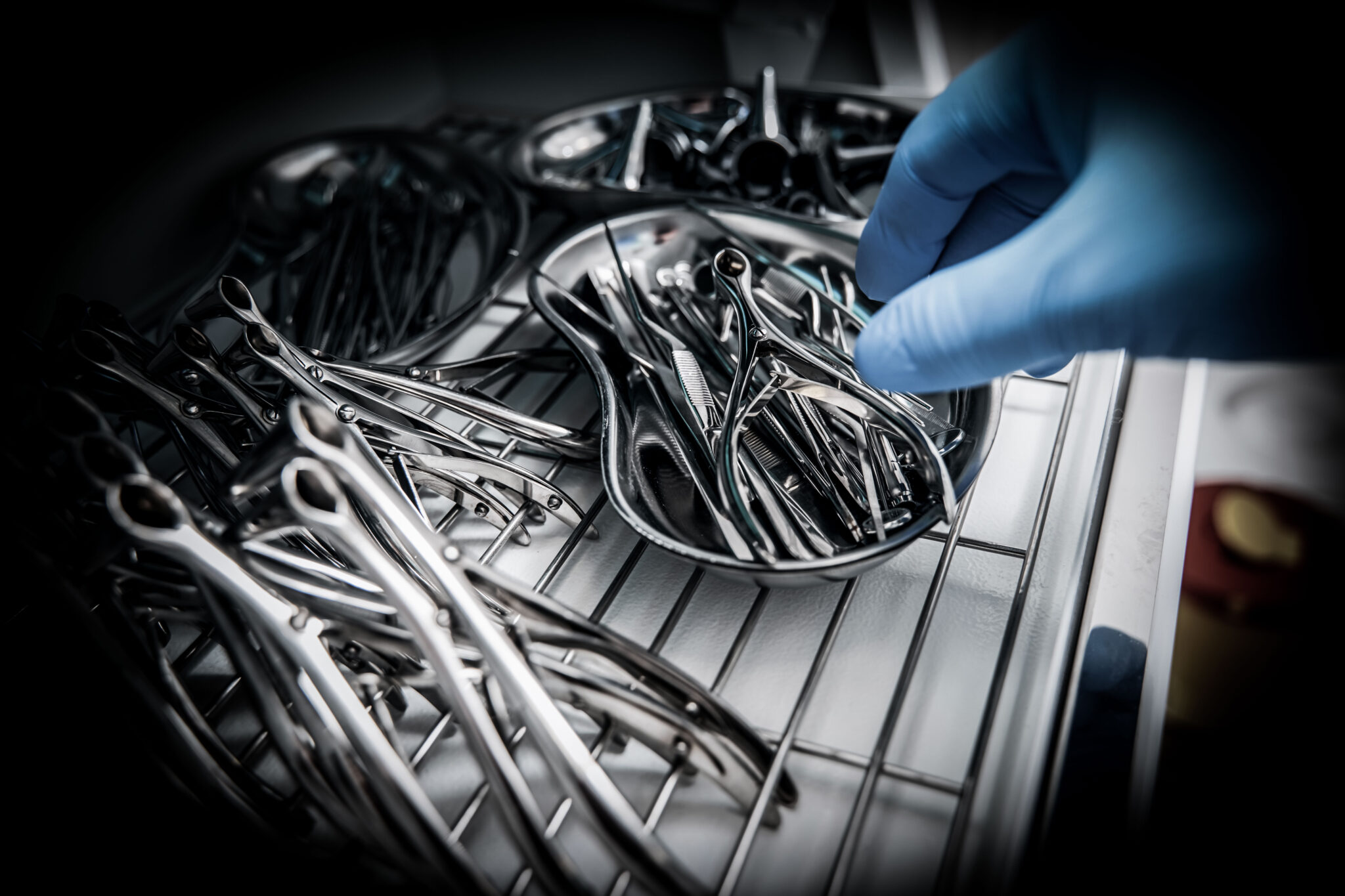
Quality surgical instruments are an investment, and like any investment, they reward proper care. Whether you are a distributor supporting customers or a facility managing its own inventory, a consistent care and maintenance routine is the single biggest factor in how long instruments remain precise, sharp and safe to use.
It starts immediately after use. Blood, tissue and saline should never be allowed to dry on an instrument’s surface, because dried deposits are far harder to remove and can cause staining or pitting. Rinse instruments promptly after each procedure, and keep soiled items moist during transport to the cleaning area.
For cleaning, manual washing with a soft brush and a neutral-pH or enzymatic detergent is the standard first step. Pay attention to box locks, serrations and other hard-to-reach areas where debris collects. Avoid abrasive pads, metal brushes and harsh chemicals such as bleach, which damage the passive chromium oxide layer that protects stainless steel from corrosion. Ultrasonic cleaners are an excellent complement for complex instruments, but they do not replace a visual check afterwards: every instrument should be inspected under good light for residual soil, stains or damage before it moves on.
Sterilisation is where many instruments are unknowingly damaged. Steam autoclaving is the most common method for surgical instruments, and it must be done correctly: instruments should be cleaned and dried before the cycle, arranged in trays so steam can reach every surface, and never overloaded. Distilled or deionised water in the steriliser prevents mineral deposits and spotting. Equally important is allowing the full drying phase to complete — instruments stored while damp are prone to corrosion, staining and pack degradation.
Lubrication is often overlooked. A surgical-grade instrument lubricant, applied after cleaning and before sterilisation according to the manufacturer’s instructions, keeps box locks and joints moving smoothly and adds a measure of corrosion protection. Only lubricants formulated for steam sterilisation should be used.
Storage and handling complete the picture. Store sterile instruments in a clean, dry, temperature-controlled environment, and handle wrapped or containerised packs as little as possible. Sharp instruments deserve individual protection — edge guards or dedicated slots — rather than being jumbled together in a tray. Dropping an instrument is one of the fastest ways to ruin its alignment, so staff training on careful handling pays for itself quickly.
Finally, build maintenance into the system. Keep records of instrument sets, inspect instruments on a schedule, and remove damaged items from service promptly for repair or replacement. A well-maintained instrument set performs better in the surgeon’s hand, lasts many more cycles, and costs far less over its lifetime than a neglected one.