H. 12/5, Ghallah Mission School, Main Road, Jamke Cheema, Daska Sialkot - Pakistan

The Sialkot Craftsmanship Behind Precision Surgical Instruments

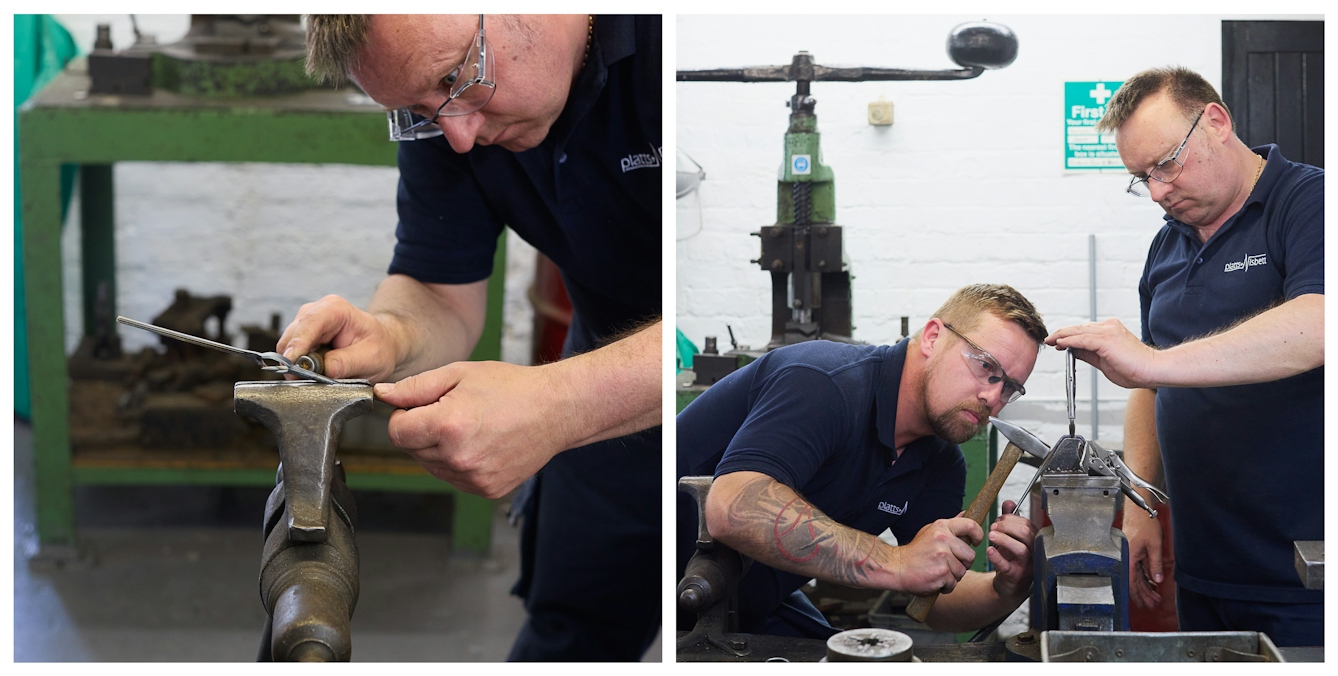
There is a reason procurement teams and surgeons around the world associate the name Sialkot with precision surgical instruments. This city in the Punjab region of Pakistan has spent well over a century perfecting the manufacture of surgical tools, and today it is one of the largest instrument-making centres on the planet.
The story begins with repair and adaptation. Generations ago, local metalworkers learned to service surgical instruments and, over time, to manufacture them from scratch. Those skills were passed down from master to apprentice within families and small workshops, creating a concentration of specialist knowledge that is difficult to replicate anywhere else.
A surgical instrument may look simple, but its manufacture demands extraordinary precision. Forging gives the tool its basic shape, but the quality a surgeon feels in the hand comes afterwards: grinding the cutting edges, aligning the jaws of forceps so they meet perfectly, tempering the steel for the right balance of hardness and flexibility, and polishing every surface so the instrument can be cleaned and sterilised reliably. Much of this work is still carried out by hand, and the difference between a competent instrument and an exceptional one often comes down to the judgement of an experienced finisher.
That is why the human element matters so much in this industry. The action of a box lock, the tension of a scissor spring, the sharpness of a needle holder tip — these are qualities a craftsperson assesses largely by touch, built up over years at the workbench. Training a skilled instrument maker takes time, and the strongest workshops maintain a culture in which experienced hands mentor newcomers.
For buyers, this heritage is a practical asset, not just a story. A manufacturing base with deep, generational expertise tends to deliver consistency across large orders, a genuine understanding of the fine tolerances surgical work demands, and the ability to produce specialised patterns to a buyer’s specification. When evaluating a supplier, it is worth asking who actually makes the instruments — and how long they have been doing it.